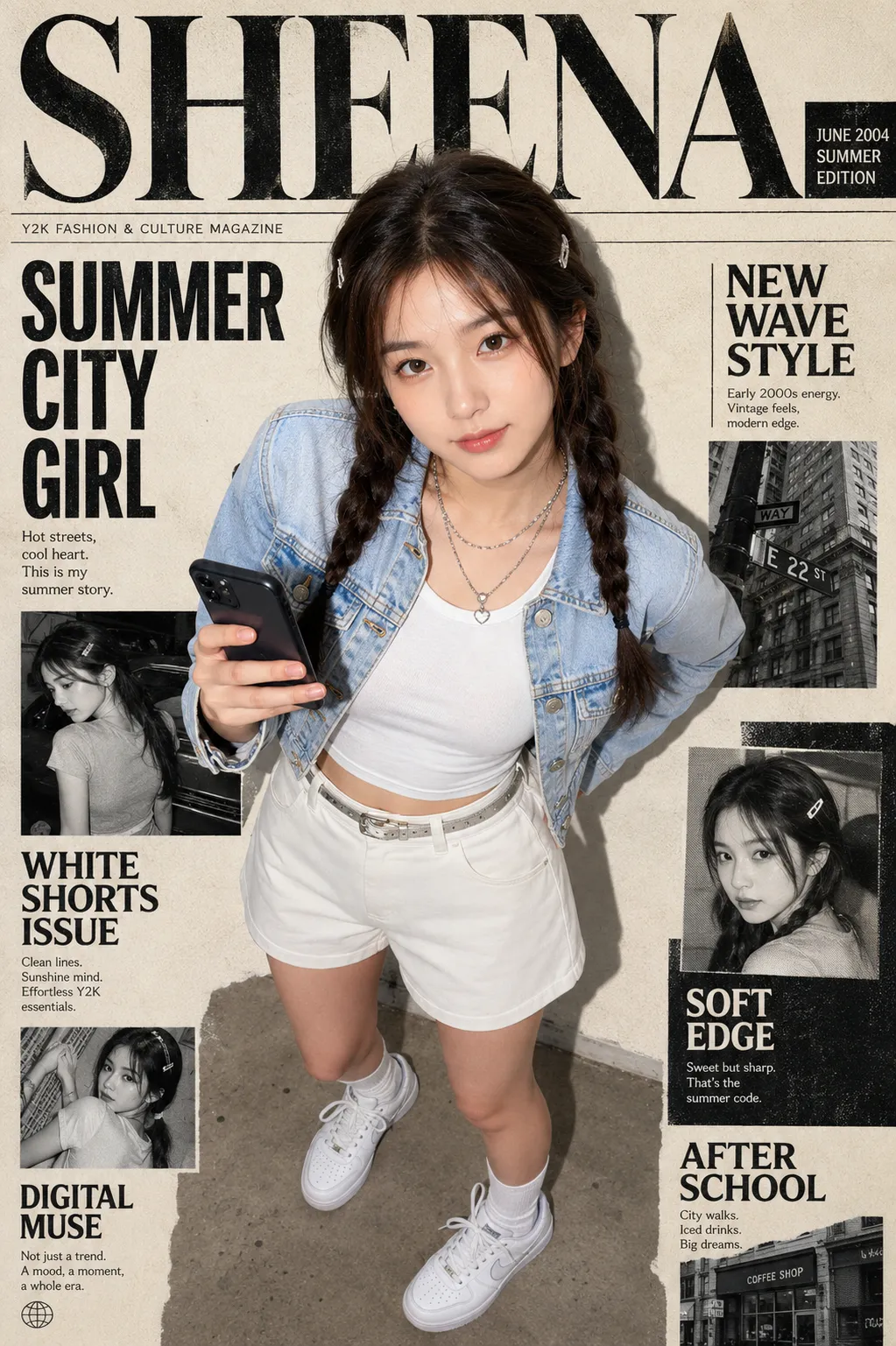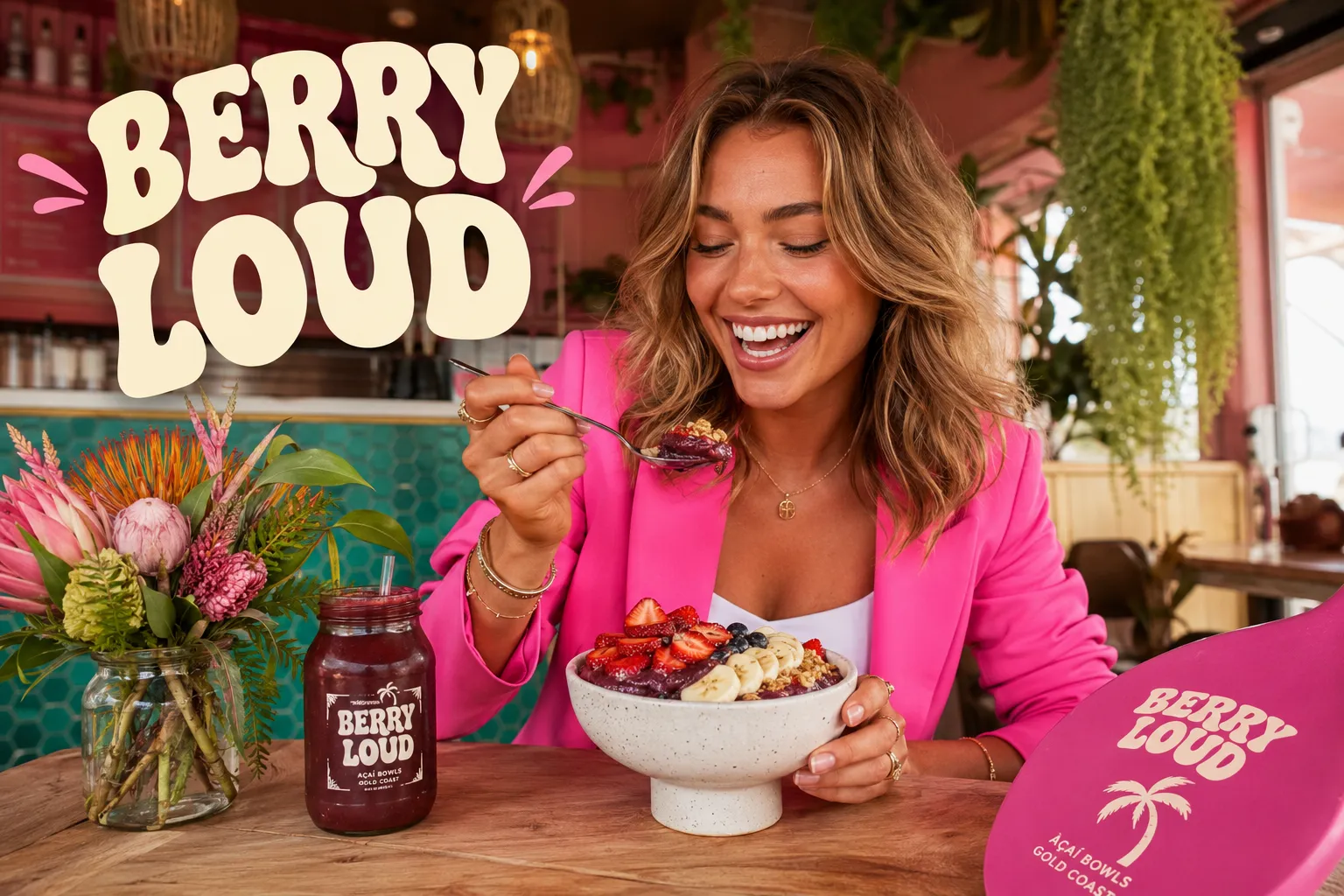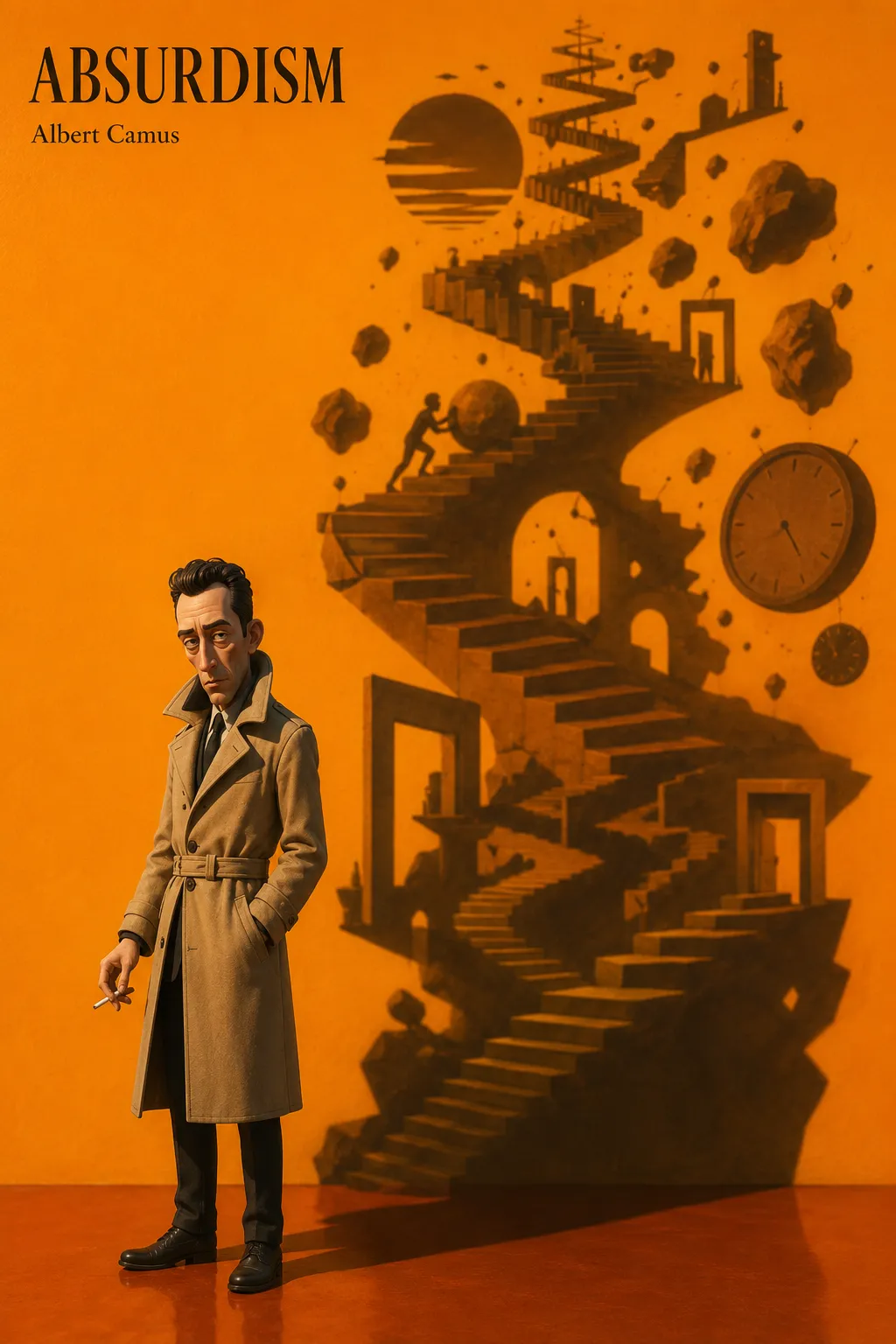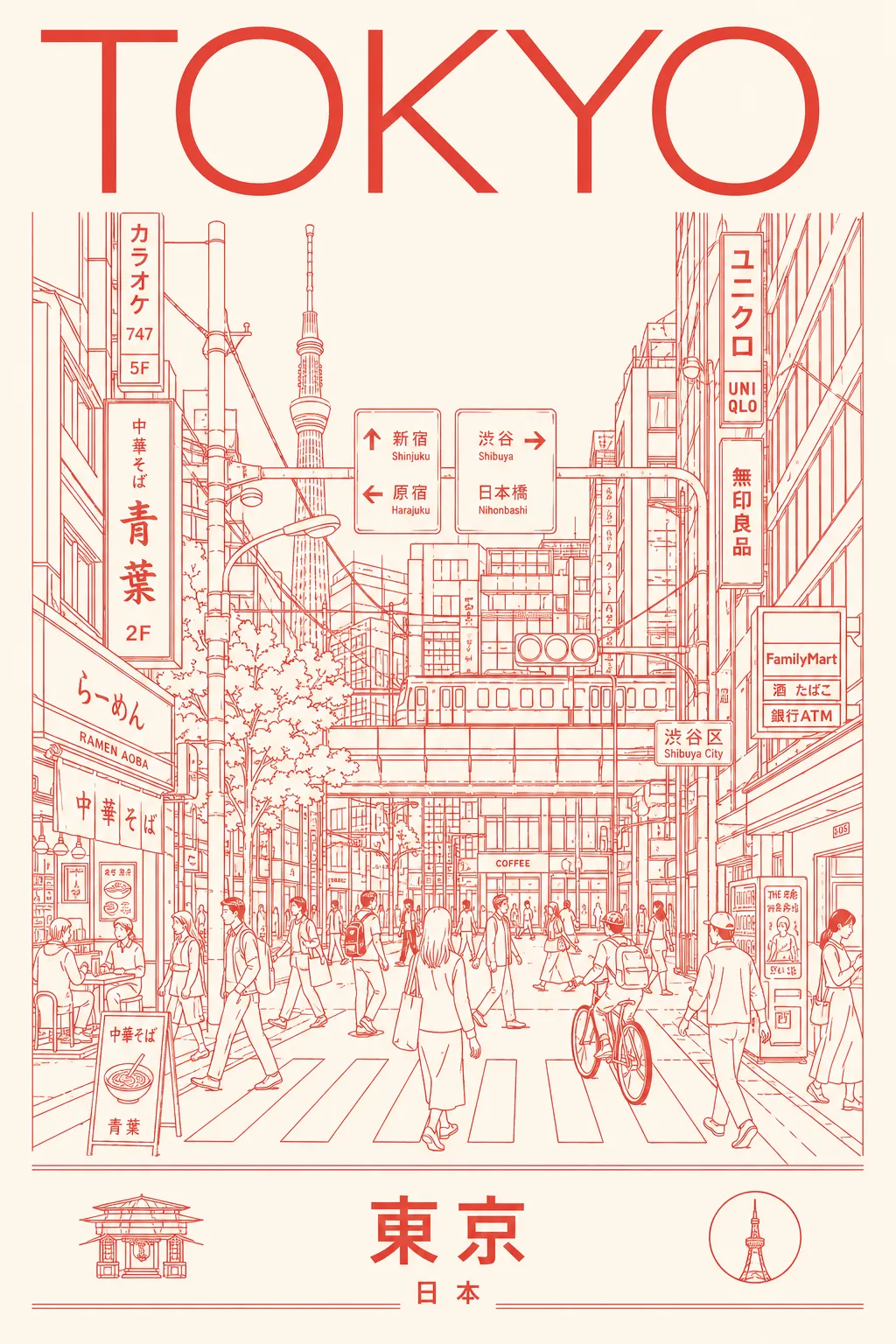
GPT Image 2
OpenAI's state-of-the-art image generation and editing model, delivering photorealistic outputs with near-perfect text rendering, multilingual support, precise instruction following, and flexible high-resolution capabilities up to 2K native (extendable to 4K).
Overview
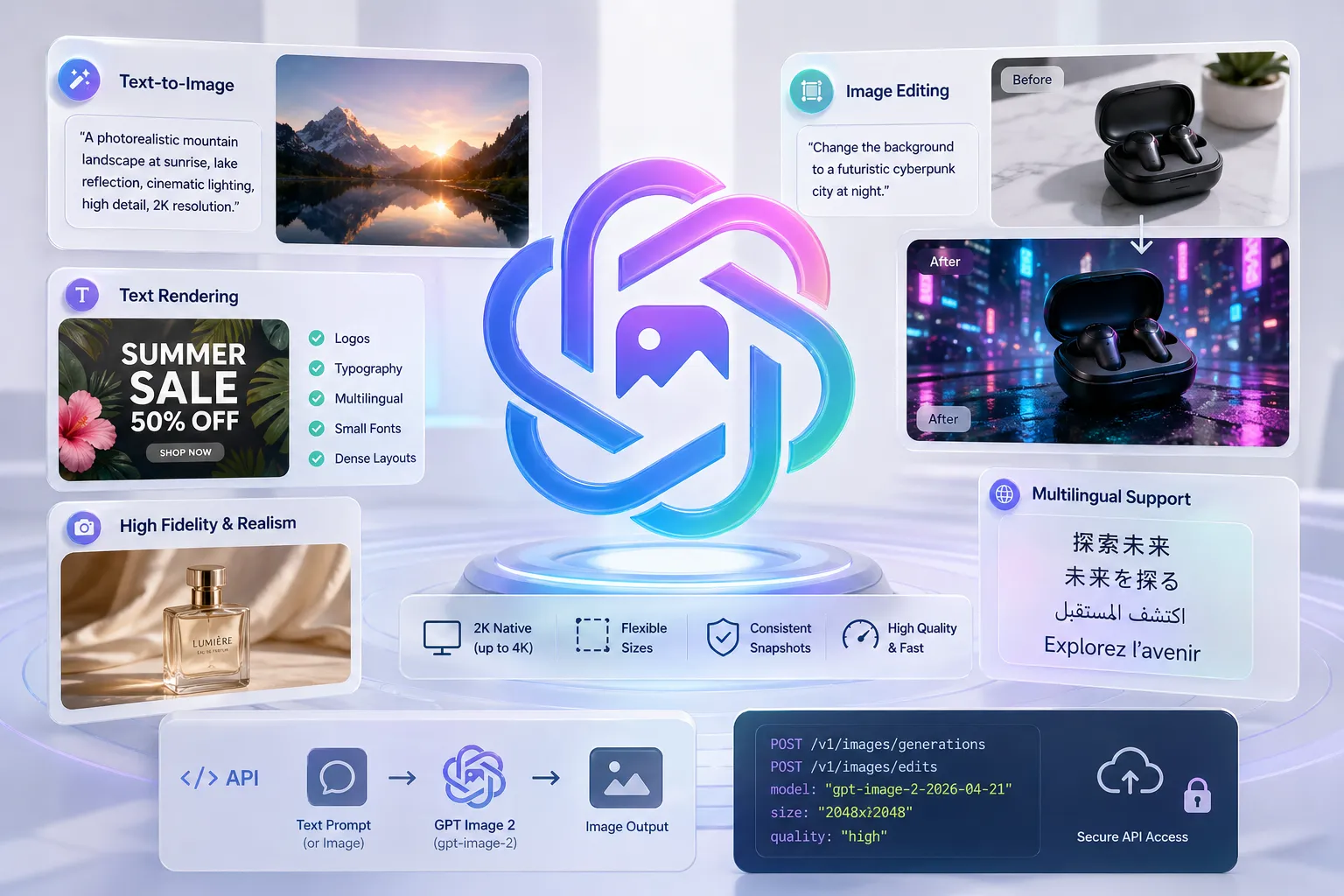
GPT Image 2 (API model name: gpt-image-2) is OpenAI's flagship image generation and editing model, released in April 2026 as the successor to GPT Image 1.5. It powers image creation directly in ChatGPT (as ChatGPT Images 2.0) and is available via the OpenAI API for developers. The model excels at both text-to-image generation and image-to-image editing, using natural language instructions for precise modifications.
Key Capabilities
- Text-to-Image Generation: Creates high-fidelity images from detailed text prompts.
- Image Editing: Takes an existing image as input and applies targeted edits via text instructions.
- Text Rendering: Near-perfect accuracy for embedded text, including dense layouts, small fonts, multilingual scripts, logos, and typography.
- Photorealism & Style Control: Produces realistic, commercial-grade imagery without the generic "AI look" of earlier models.
- Resolution & Flexibility: Native support for resolutions up to 2K (2048px), with API access extending to 4K in select configurations. Flexible aspect ratios and sizes (multiples of 16px, aspect ratio ≤ 3:1, max ~8.3M pixels).
- Performance: Highest quality tier with medium generation speed; supports consistent snapshots for reproducible results.
Strengths
- Exceptional prompt adherence and complex scene composition.
- Superior handling of text-heavy visuals (posters, packaging, infographics, product labels, ads).
- Strong photorealism for product photography, lifestyle shots, and marketing assets.
- Precise editing control while preserving original image fidelity.
- Multilingual text support and accurate typography/layout rendering.
- Faster generation than predecessors with a quality-first architecture.
Limitations
- Occasional inconsistencies in highly complex natural environments (e.g., dense foliage or organic textures).
- Subject to OpenAI's content safety filters, which may block or modify prompts involving restricted themes.
- No native support for negative prompts, video, audio, or streaming outputs.
- Editing results can vary based on input image quality and prompt specificity.
- Higher-resolution outputs (beyond 2K) increase token/cost usage and may require explicit API sizing.
How to Write Effective Prompts
GPT Image 2 follows natural language prompts exceptionally well, but clarity and structure maximize results:
-
Be Specific and Structured: Describe subject, style, lighting, composition, mood, and camera details. Example: "A photorealistic product shot of a sleek black wireless earbud case on a minimalist white marble surface, soft studio lighting with subtle reflections, clean product photography style, high detail, 2K resolution."
-
Handle Text Precisely: Explicitly quote the exact text, font, size, and placement. Example: "Include bold white text 'SUMMER SALE 50% OFF' in modern sans-serif font at the top center."
-
For Editing: Reference the input image clearly and describe changes. Example prompt with image: "Change the background to a futuristic cyberpunk city at night, keep the foreground product unchanged, add neon reflections on the surface."
-
Aspect Ratio & Resolution: Include in the prompt or use API parameters (e.g., "wide landscape aspect ratio, 2048x1152 resolution" or API
sizelike "2048x2048"). -
Style References: Use artists, mediums, or aesthetics: "in the style of professional product photography by [brand], cinematic lighting."
-
Iterate: Use the model's strong instruction-following for refinements in follow-up edits.
API Usage Notes
- Endpoints:
v1/images/generations(text-to-image) andv1/images/edits(image editing). - Input image for editing must meet size/resolution guidelines.
- Costs scale with resolution and complexity (see OpenAI pricing calculator).
- Snapshots like
gpt-image-2-2026-04-21ensure version consistency.
GPT Image 2 Prompts
25 examples